SpaceX Launches US Military’s X-37B Plane On Secretive Mission To Test Space Tech

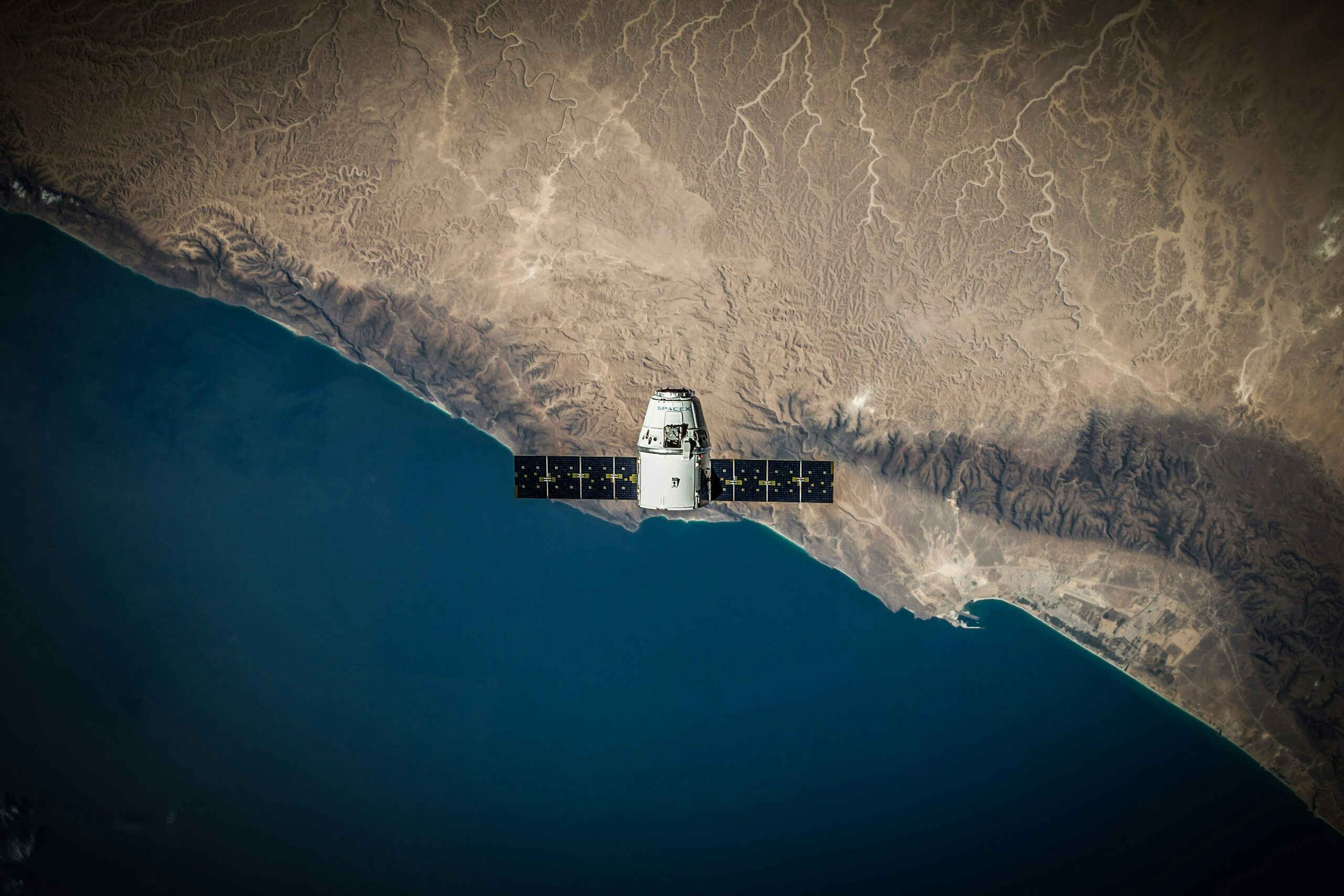
SpaceX, on Friday, launched the eighth secretive mission of the US Space Force’s X-37B spaceplane. The Orbital Test Vehicle (OTV-8) mission, designated USSF-36, lifted off atop the Falcon 9 rocket at 9:20 am IST from NASA’s Kennedy Space Center, with the booster touching down on Landing Zone 2 at the Cape Canaveral Space Force Station about nine minutes later. This marks the third overall OTV mission SpaceX has launched after OTV-5 and OTV-7.
Liftoff! pic.twitter.com/oQFgBJqWg3
— SpaceX (@SpaceX) August 22, 2025
It was also the sixth flight for the Falcon 9 booster which previously launched NROL-69, CRS-32, GPS III-7, and two Starlink missions.
Notably, the OTV-8 mission, similar to its predecessors, is extremely secretive. There are no details about where the spaceplane will be deployed and information about the payloads is also very limited. SpaceX even ended the live webcast of the mission after the booster’s landing, sharing no visuals of the spaceplane being deployed by the rocket’s second stage.
More photos from tonight’s Falcon 9 launch of the X-37B Orbital Test Vehicle’s eighth mission to orbit pic.twitter.com/qURZEEqRQn
— SpaceX (@SpaceX) August 22, 2025
According to the Space Force’s mission statement, the OTV-8 experimental payloads on the 8.8-metres-long spaceplane “comprise of next-generation technologies including laser communications and the highest performing quantum inertial sensor ever tested in space.”
ALSO SEE: Mysterious U.S. SpacePlane returns to Earth, and Space Force snaps photos
The USSF says that this mission will improve the resilience, efficiency and security of US space based communications architectures by conducting laser communications demonstrations involving commercial satellite networks in low-Earth orbit. On the other hand, the quantum inertial sensor, it says, “will inform accurate unaided navigation in space by detecting rotation and acceleration of atoms without reliance on satellite networks like traditional GPS.”
“This technology is useful for navigation in GPS-denied environments and consequently will enhance the navigational resilience of U.S. spacecraft in the face of current and emerging threats,” the description read.
The OTV missions, which end with the spaceplane making a runway landing, last anywhere between more than 200 to 900 days in orbit. It is unclear when exactly OTV-8 will conclude.
ALSO SEE: SpaceX Targets August 25 For Starship’s Tenth Integrated Test Flight
(Image: SpaceX)
link