How Renewable Energy is Fighting Climate Change?

Climate change stands as one of the most pressing challenges of our time, with rising global temperatures, extreme weather events, and environmental degradation threatening ecosystems worldwide. As traditional fossil fuels continue to pump greenhouse gases into our atmosphere, renewable energy emerges as a powerful solution that could reshape our planet’s future.
Renewable energy harnesses natural resources like sunlight, wind, water, and earth’s heat to generate clean electricity without depleting finite resources or producing harmful emissions. Unlike coal, oil, and natural gas, these energy sources replenish themselves naturally, making them sustainable alternatives that can power our communities while protecting the environment.
The transition to renewable energy isn’t just an environmental necessity—it’s an economic opportunity that creates jobs, reduces energy costs, and builds energy independence. Understanding how these technologies work and their potential impact helps us appreciate why renewable energy plays such a crucial role in combating climate change.
The Climate Crisis Demands Urgent Action
Global temperatures have risen by approximately 1.1°C since the late 1800s, with human activities being the primary driver of this warming trend. The burning of fossil fuels releases carbon dioxide and other greenhouse gases that trap heat in Earth’s atmosphere, creating a greenhouse effect that disrupts weather patterns and ecosystems.
Scientists warn that without significant reductions in greenhouse gas emissions, we could face catastrophic consequences including sea level rise, widespread droughts, food shortages, and mass extinction events. The Intergovernmental Panel on Climate Change emphasizes that limiting global warming to 1.5°C requires rapid, far-reaching transitions in energy systems.
Renewable energy offers a pathway to drastically reduce emissions while meeting growing global energy demands. By replacing fossil fuel power plants with clean energy sources, we can cut the largest source of greenhouse gas emissions and slow the pace of climate change.
Diverse Types of Renewable Energy Technologies
Solar Power
Solar energy converts sunlight directly into electricity using photovoltaic panels or concentrates solar radiation to heat water and generate steam for turbines. This technology has experienced dramatic cost reductions, making solar installations increasingly competitive with traditional power sources.
Solar panels can be installed on rooftops, in large utility-scale farms, or integrated into building materials. The versatility of solar technology allows communities to generate clean electricity locally, reducing transmission losses and increasing energy security.
Wind Energy
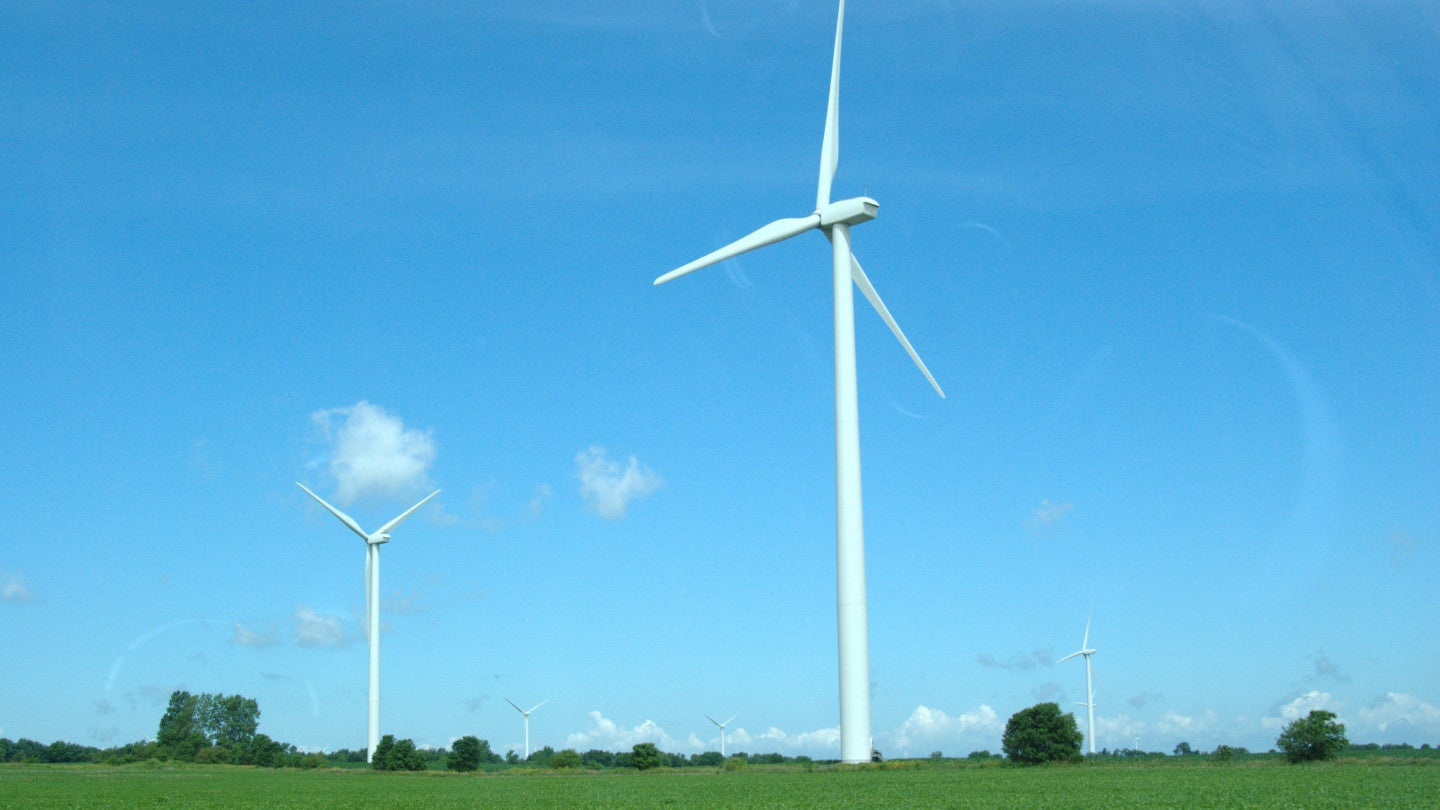
Wind turbines capture kinetic energy from moving air and convert it into electrical power. Both onshore and offshore wind farms are expanding rapidly, with offshore installations benefiting from stronger, more consistent winds.
Modern wind turbines are more efficient and quieter than earlier models, addressing previous concerns about noise and visual impact. Wind energy has become one of the fastest-growing renewable technologies globally.
Hydroelectric Power
Hydroelectric systems use flowing or falling water to spin turbines and generate electricity. Large dams have provided renewable energy for decades, while smaller run-of-river systems offer less environmentally disruptive alternatives.
Pumped-storage hydropower also serves as a giant battery, storing excess energy by pumping water uphill during low demand periods and releasing it to generate electricity when needed.
Geothermal Energy
Geothermal systems tap into Earth’s internal heat to produce electricity or provide direct heating and cooling. This reliable energy source operates continuously, regardless of weather conditions, making it an excellent complement to variable renewable sources like solar and wind.
Enhanced geothermal systems are expanding the potential for this technology beyond traditional volcanic regions, opening new opportunities for clean energy development.
Environmental and Economic Benefits
Renewable energy delivers substantial environmental advantages by eliminating air pollutants and greenhouse gas emissions during operation. Solar panels and wind turbines produce electricity without releasing carbon dioxide, sulfur dioxide, or particulate matter that harm air quality and human health.
Water consumption is another critical benefit. Traditional power plants require enormous amounts of water for cooling, while most renewable technologies use minimal water resources. This conservation becomes increasingly important as water scarcity affects more regions worldwide.
Economically, renewable energy creates long-term cost savings through free fuel sources. Once installed, solar panels and wind turbines generate electricity without ongoing fuel costs, protecting consumers from volatile fossil fuel prices. The renewable energy sector also generates employment opportunities in manufacturing, installation, maintenance, and research.
Energy independence represents another significant advantage. Countries with abundant renewable resources can reduce imports of expensive fossil fuels, keeping energy dollars within local economies while enhancing national security.
Overcoming Implementation Challenges
Despite their benefits, renewable energy technologies face several obstacles that require innovative solutions. Intermittency remains a primary challenge, as solar panels don’t generate power at night and wind turbines need sufficient wind speeds to operate effectively.
Battery storage technology is rapidly advancing to address these concerns. Large-scale energy storage systems can capture excess renewable electricity during peak production times and release it when demand exceeds generation. Grid-scale batteries are becoming more affordable and efficient, enabling greater renewable energy integration.
Smart grid technologies also help balance supply and demand by automatically adjusting electricity distribution based on real-time conditions. These systems can coordinate multiple renewable sources, storage facilities, and consumer demands to maintain reliable power delivery.
Initial capital costs present another barrier, though financing mechanisms are evolving to make renewable projects more accessible. Power purchase agreements, green bonds, and government incentives help offset upfront expenses while providing predictable returns on investment.
Global Success Stories
Denmark demonstrates how aggressive renewable energy policies can transform national energy systems. The country generates over 50% of its electricity from wind power and aims to become carbon neutral by 2050. Danish companies have become global leaders in wind turbine technology, creating economic benefits alongside environmental progress.
Costa Rica regularly runs its electrical grid entirely on renewable energy for months at a time, utilizing a combination of hydroelectric, wind, solar, and geothermal sources. This small Central American nation proves that 100% renewable electricity is achievable with proper planning and diverse energy sources.
China has become the world’s largest installer of solar panels and wind turbines, driving down global costs through massive manufacturing scale. While still heavily dependent on coal, China’s renewable investments are reshaping international energy markets and accelerating clean technology deployment worldwide.
Frequently Asked Questions
How reliable is renewable energy compared to fossil fuels?
Modern renewable energy systems can provide reliable electricity when properly designed with storage and grid management technologies. Countries like Denmark and Costa Rica regularly achieve high renewable electricity percentages while maintaining grid stability.
Are renewable energy jobs really replacing fossil fuel employment?
The renewable energy sector employs millions of workers globally and continues growing rapidly. Many skills from traditional energy industries transfer directly to renewable projects, and retraining programs help workers transition between sectors.
What happens to renewable energy equipment at the end of its life?
Solar panels, wind turbine components, and batteries can be recycled to recover valuable materials. The renewable energy industry is developing circular economy approaches to minimize waste and maximize resource recovery.
Can renewable energy really power large cities and industrial facilities?
Yes, renewable energy can meet the electricity demands of major urban areas and energy-intensive industries. Proper grid infrastructure, energy storage, and demand management enable renewable sources to power any scale of electricity consumption.
Building a Sustainable Energy Future
Renewable energy technologies have matured from experimental concepts to mainstream power sources that can compete economically with fossil fuels. The continued growth of solar, wind, hydro, and geothermal energy offers realistic pathways to achieving deep emissions reductions while supporting economic development.
Success requires coordinated action from governments, businesses, and individuals. Policy makers can accelerate deployment through supportive regulations and incentives. Companies can invest in renewable electricity for their operations while developing innovative clean technologies. Consumers can choose renewable energy options and support sustainable practices.
The fight against climate change depends on our ability to transform how we produce and consume energy. Renewable technologies provide the tools needed for this transformation, but realizing their full potential requires commitment to building a cleaner, more sustainable energy future for generations to come.
link