Enhanced CCTV surveillance bolsters crime prevention across Seoul

Late at night in southern Seoul, surveillance camera footage showed a man wearing latex gloves repeatedly approaching residential building entrances. Noticing the signature “throwing” method, in which dealers leave drug packets for buyers to collect, a vigilant monitoring officer alerted police. The suspect was soon apprehended with 39 packets of methamphetamine.
In a separate incident, a group of young men was spotted acting suspiciously outside a dance club elsewhere in Seoul. Prompt reporting led to the arrest of five suspects on charges of violating the Narcotics Control Act.
These incidents underscore the growing role of Seoul’s extensive CCTV surveillance network in safeguarding residents, particularly against drug-related crimes. The Seoul Metropolitan Government said Monday that its 113,273 surveillance cameras helped identify 358 suspected drug offenses and contributed to the arrest of 36 suspects over the past two years.
According to the Seoul Research Data Service, the incidence of five major crimes — murder, robbery, theft, assault and sexual violence — fell to about 86,000 in 2023 from 126,000 in 2015.
At the same time, however, Korea has seen a sharp rise in drug-related offenses and a surge in technology-driven crimes, including digital fraud and online sex offenses. The number of drug offenders has climbed steeply over the past three to five years, posing a new challenge for a society long considered largely drug-free.
To strengthen the system further, the city government is investing in advanced training for its 322 monitoring officers and upgrading a large number of standard cameras to smart models. The training now emphasizes case studies on criminal tactics — including delivery worker disguises and masks — led by experienced police officers and prosecutors.
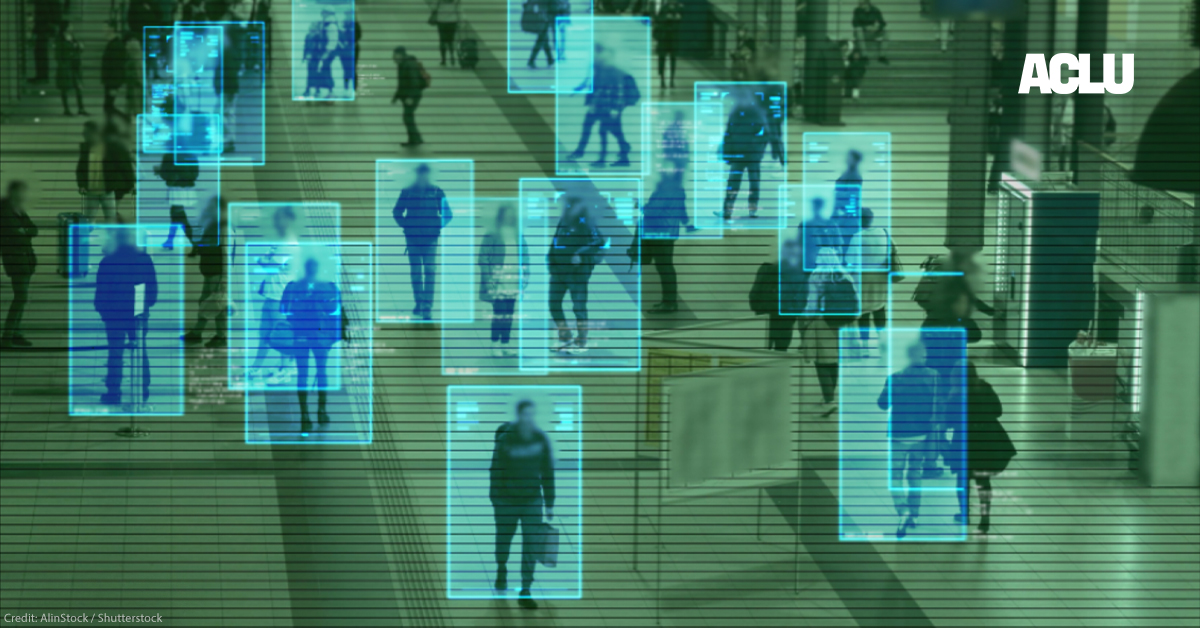
At the heart of Seoul’s public safety initiative is the expansion of intelligent CCTV surveillance — cameras equipped with artificial intelligence to distinguish between people, vehicles and animals, and able to alert staff to suspicious patterns of behavior.

A man under suspicion of being a drug courier is seen in Seoul, in this CCTV footage released Monday. Courtesy of Seoul Metropolitan Government
“They’re also called intelligent CCTVs. What the system does is to detect an object and then distinguish whether it’s a person, a vehicle or an animal. Once it categorizes objects, the system can track, for example, when a person enters or leaves a specific location over several days, detecting each instance automatically. If something is considered unusual behavior or an abnormal pattern, it alerts the monitors to that fact,” a city official told The Korea Times.
“It basically guides monitoring officers on where to focus their attention and how to interpret potential signs of criminal activity.”
For the digital safe city project, the metropolitan government has allocated 51.3 billion won ($37 million) this year, up from 45 billion won in 2024.
The city said it will use big data analysis based on nine indicators ― including crime rates and the proportion of single-person households ― to identify 449 high-risk areas in which 1,796 new intelligent surveillance cameras will be installed.
Additionally, 20,533 standard surveillance cameras will be upgraded to intelligent systems. Intelligent CCTVs accounted for 33 percent of all surveillance cameras set up in Seoul in 2024. By the end of this year, that figure is expected to reach around 57 percent.
The city also plans to replace 3,333 cameras with high-definition units this year. In particular, Chinese-made CCTVs ― which have raised concerns over security vulnerabilities ― will be replaced first to alleviate worries about personal information leaks and to strengthen safety in alleys and other vulnerable areas.
City officials say surveillance cameras have played an increasingly important role in protecting citizens not just from drug crimes but also other risks such as medical emergencies.
But critics say the expansion of surveillance cameras is a major threat to people’s constitutional right to privacy.
“Under the Personal Information Protection Act, we are restricted to installing fixed CCTVs only in certain public locations. When setting up cameras in these areas, we strictly adhere to the legal requirements regarding the rights and management of video information,” the city official said. “I believe that both public safety and privacy matter, and we will continue to try our best to protect both.”
link