Bill Gates bets on “forgotten” nuclear technology for 2030, going against bets on solar and wind energy

Bill Gates argues that next-generation nuclear energy, such as the Natrium reactor, will be essential to ensuring a constant electricity supply by 2030, complementing solar and wind power.
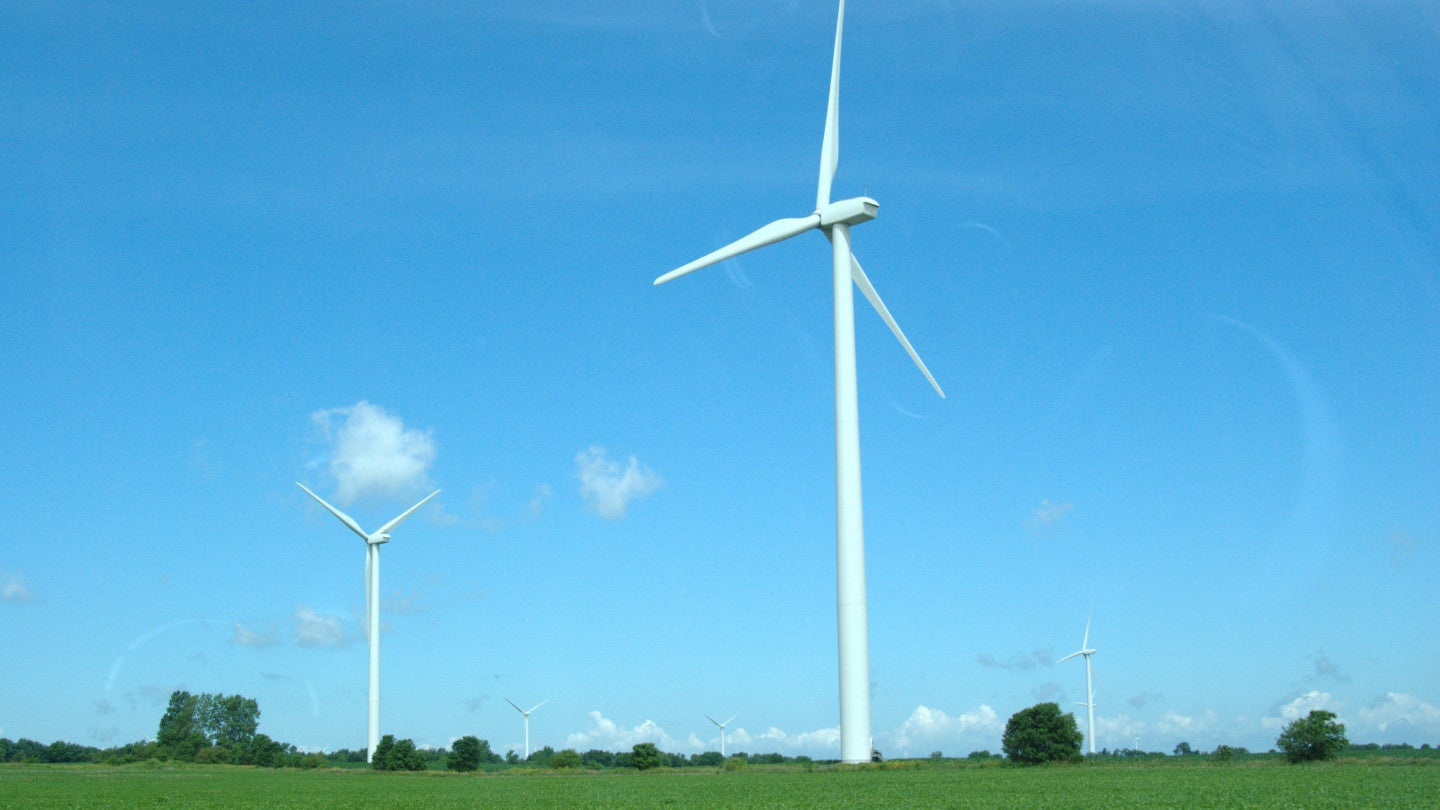
While governments and companies accelerate investments in solar panels and wind farms, Bill Gates has been drawing attention to a less popular alternative in the public debate. According to the Microsoft founder, energy matrix of 2030 It cannot rely solely on the sun and wind. For him, the stability of supply will require the strategic return of nuclear energy, now under a new technological model.
The assessment stems from a practical observation. Renewable energy sources are fundamental to reducing emissions, but they have operational limitations. In this context, Gates argues that advanced nuclear fission technologies can play a decisive role in ensuring a continuous electricity supply, regardless of weather conditions.
Why Bill Gates questions our reliance on solar and wind power.
Bill Gates’ main criticism relates to intermittency. Solar energy generation depends on sunlight, while wind power requires constant wind. When these conditions are not met, the system needs to rely on large storage structures, such as large-scale batteries, which are still expensive and complex.
Nuclear energy, on the other hand, offers continuous production. It operates 24 hours a day, seven days a week. It is not dependent on the weather. In addition, it has high energy density, generating large volumes of electricity with less physical space required.
This contrast led Gates to advocate for a combination of energy sources. In the billionaire’s view, relying solely on solar and wind power creates vulnerabilities that could compromise energy security in the medium term.
TerraPower and the bet on a new nuclear generation.
Since 2008, Bill Gates has invested directly in the development of this alternative through his company TerraPower. The goal is to address the main historical obstacle to nuclear energy: safety.
Conventional reactors use high-pressure water for cooling. This model requires complex systems and depends on a constant supply of electricity to keep pumps running. In extreme situations, failures can lead to serious accidents, such as those recorded in the past.
TerraPower’s proposal is different. The project seeks to eliminate these structural weaknesses, relying on more stable physical and chemical solutions that drastically reduce the risk of catastrophic failures.
Natrium Reactor: the technology championed by Bill Gates
The prime example of this new approach is the Natrium reactor. The central innovation lies in the cooling system. Instead of water, the design uses liquid sodium.
This technical detail changes the entire operating logic. Liquid sodium has a boiling point of approximately 883 °C. This allows the reactor to operate at normal atmospheric pressure, eliminating the risk of explosions associated with high pressure.
Furthermore, Natrium incorporates molten salt tanks capable of storing heat. This mechanism functions as a kind of thermal battery. Thus, the energy generated can be released according to the demand of the electrical grid, offering operational flexibility.
“The great innovation of the Natrium project is replacing water with liquid sodium in the cooling system.”
Differences between old and new generation nuclear technology.
The proposal supported by Bill Gates departs significantly from traditional models. While older reactors require active safety systems, Natrium relies on so-called passive safety.
In this concept, natural physical laws help control the system, even without human intervention or external energy. The project also seeks to reuse some of the fuel, reducing the generation of long-lasting waste.
Another important point is flexibility. Conventional reactors operate constantly. Natrium, on the other hand, can adjust its production according to the grid’s needs, which is essential in a system integrated with intermittent renewable sources.
Nuclear energy is not a replacement for solar, according to Gates.
Despite his firm statements, Bill Gates does not advocate replacing solar or wind energy. His proposal is for complementarity.
The Natrium reactor was designed to operate precisely during times when renewables fail. This includes nighttime, cloudy days, or periods of low wind intensity. In this way, nuclear energy would function as a stable base, while solar and wind power would reduce emissions during peak generation periods.
Gates views this integration as essential for a realistic decarbonization of the global economy.
Project capacity and next regulatory steps
The Natrium project has an estimated capacity of 345 megawatts. This volume is enough to supply approximately 400 homes.
Currently, the initiative awaits final approval from regulatory bodies to begin construction of the nuclear component. The expectation is that this phase will advance from 2026 onwards, consolidating the project as one of the main practical tests of the new generation of nuclear energy advocated by Bill Gates.
In this context, the technology considered “forgotten” returns to the center of the energy debate, now with promises of greater security, flexibility, and integration with renewable sources.
link